Have you ever felt frustrated, wondering why asthma flare-ups still happen even when you are taking your medication exactly as prescribed? Many patients assume that timely medication should completely prevent worsening symptoms. In reality, asthma is not always that predictable.
Medication plays a major role in controlling airway inflammation, but asthma is still influenced by various triggers and how the lungs respond to them. This is why some flare-ups can still develop quietly, even in patients who are following treatment correctly.
So, why does this happen, and what are most asthma patients unknowingly missing before a flare-up begins?
Why Medication Alone Does Not Always Prevent Flare-Ups
Asthma medication plays an important role in reducing airway inflammation, relaxing the airways, and lowering the risk of severe breathing difficulty. It helps control asthma attacks for many patients and reduces the frequency of symptoms over time. However, medication alone cannot completely remove every factor that influences how asthma behaves.
A patient’s airways continue responding to changes happening around the body and in the environment. Many triggers that may still affect asthma control, including:
- Viral infections and seasonal illnesses
- Pollution exposure and poor air quality
- Sudden weather or temperature changes
- Allergens such as dust, pollen, or mould
- Stress, fatigue, and poor sleep
- Physical exhaustion or overexertion
The challenging part is that these triggers do not always cause immediate discomfort. Airway irritation from these triggers often begins building quietly over several days before symptoms become obvious. During this phase, the lungs may already be working harder even though the patient still feels “mostly fine.”
This delayed recognition is one of the biggest reasons asthma flare-ups often appear sudden. In reality, the decline usually begins much earlier than most patients realise.
Why Flare-Ups Can Still Happen Even When Medication Is Taken Properly
One of the biggest misconceptions about asthma is that medication completely “switches off” the condition. In reality, asthma medication helps control inflammation and reduce airway sensitivity. However, the airways can still react to changes happening inside and outside the body. This is why flare-ups may still happen even in patients who are taking their medication correctly.
Asthma is influenced by far more than medication timing alone. Airway behaviour can change due to:
- Increasing pollution exposure over several days
- Viral infections or slow recovery after illness
- Constant exposure to allergens like dust or pollen
- Stress and poor sleep affecting breathing patterns
- Sudden weather or temperature changes
The difficult part is that the lungs do not always respond the same way every day. A trigger that feels manageable one week may affect the airways much more aggressively another week. This changing airway response is one of the reasons asthma can sometimes feel unpredictable to patients.
Another important factor is that symptoms and inflammation do not always improve at the same pace. A patient may start feeling physically better while airway irritation still continues quietly underneath. This often creates a false sense of reassurance because patients may:
- Assume their asthma is fully controlled
- Delay paying attention to smaller symptoms
- Postpone action until breathing becomes noticeably difficult
This gap between “feeling better” and “airways actually recovering” is one of the most overlooked reasons asthma flare-ups continue happening despite timely medication use.
The Hidden Changes Most Patients Do Not Notice Early Enough
Asthma rarely worsens through one very serious symptom overnight. Your body often starts showing smaller warning signs first. The problem is that these early changes often feel too mild, too temporary, or too familiar to take seriously.
Many patients dismiss these signals, assuming they are caused by tiredness, weather changes, stress, or a hectic routine. However, these subtle shifts may actually point toward worsening airway irritation developing quietly in the background. So, do not ignore when you begin noticing:
- Slight chest heaviness during physical activity
- Increased tiredness after climbing stairs
- More frequent night-time coughing
- A need for the rescue inhaler slightly more often
- Longer recovery after exercise or exertion
The problem is that these warning signs often build quietly over time rather than appearing all at once. Wheezing, visible breathlessness, or severe chest tightness usually develop later, once airway narrowing has already progressed significantly. This delayed symptom recognition is one of the biggest reasons asthma flare-ups often feel sudden to patients.
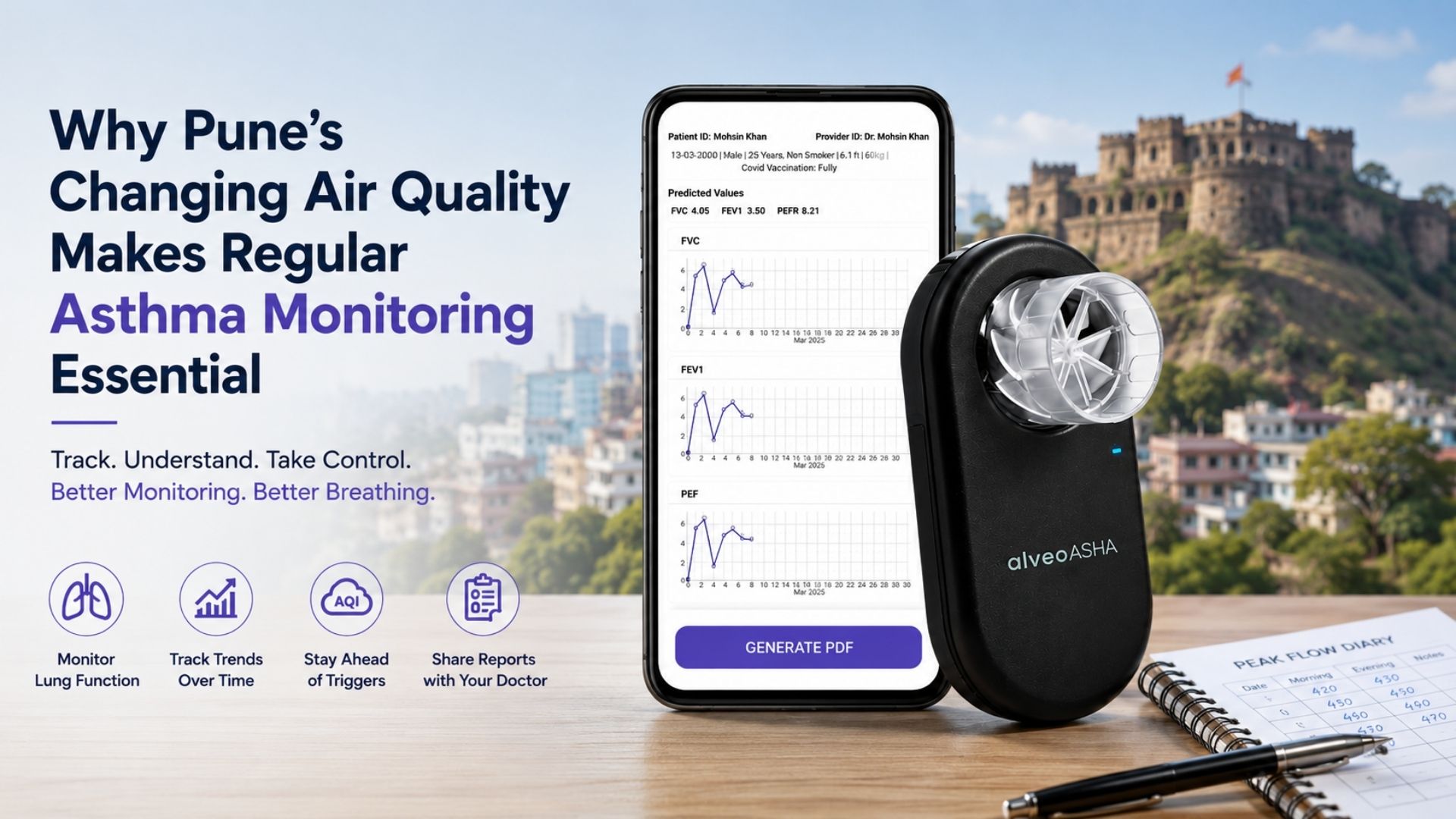
This is exactly why more patients are now turning toward an asthma monitoring device as part of daily asthma management. These patients are choosing to avoid depending only on symptoms. Instead, they are using monitoring tools to identify small changes in lung behaviour earlier, while those changes are still manageable and easier to respond to.
Why “Feeling Fine” Can Sometimes Be Misleading
One of the most misunderstood parts of asthma is that symptoms and airway function do not always decline together. Some patients continue feeling “mostly okay” while airway inflammation quietly increases underneath. Others experience fluctuating symptoms that improve temporarily before worsening again. This exact feeling creates a false sense of control.
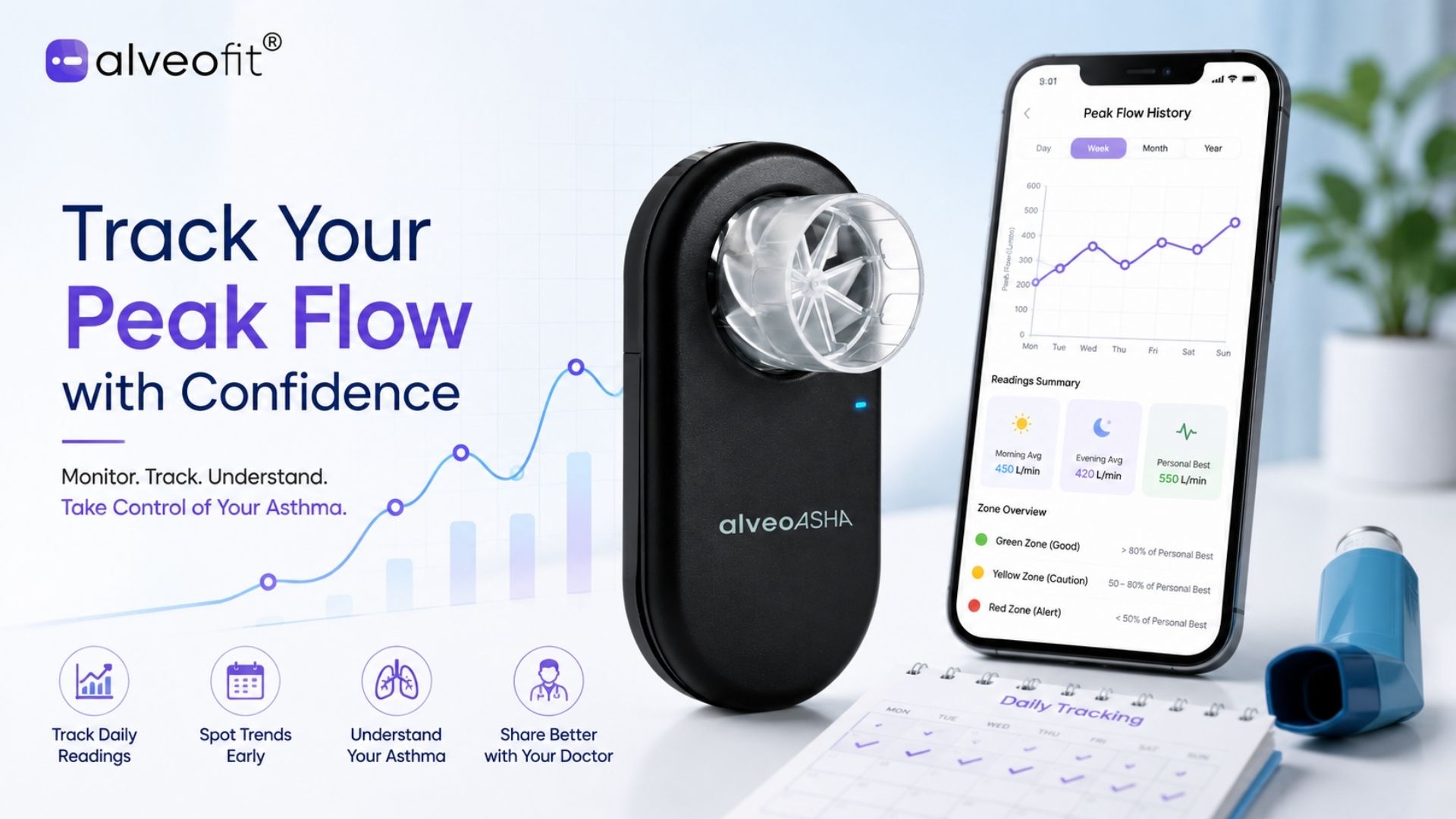
This is exactly why trend tracking matters. A smart peak flow meter chart often reveals decline patterns before patients physically recognise them. Small drops in readings across consecutive days may indicate worsening airway control even when daily activities still feel manageable.
Modern smart peak flow meters make this process much easier than traditional manual tracking. Smart peak flow meters do not need you to depend on memory or handwritten logs. Readings on these asthma monitoring devices can be recorded consistently and reviewed over time. This makes subtle deterioration easier to identify early rather than after a flare-up begins.
So, stop relying on the “feeling” of being fine! Instead, choose an asthma monitoring device to track and control asthma in a proactive way.
How Early Monitoring Changes Asthma Management
Many asthma patients begin monitoring only after symptoms become uncomfortable. The problem is that this approach reacts to flare-ups rather than preventing them. Early monitoring changes the timing of intervention.
Small changes become visible earlier when lung function is tracked consistently. Patients may notice:
- Morning readings may begin falling slightly
- Variability between readings may increase
- Recovery after triggers may become slower
- The peak flow meter chart may begin drifting downward over several days
These patterns matter because they often appear before a major asthma flare-up develops.
This is where smart peak flow meters are changing home asthma management. They simplify regular monitoring and make long-term trends easier to follow. With them you do not just see “one reading.” Instead, you begin to notice patterns connected to pollution exposure, seasonal changes, stress, infections, or missed recovery periods.
An asthma monitoring device also supports asthma action plans more effectively. They help patients identify early decline objectively. This one aspect empowers them to act at the right time instead of delaying care until symptoms escalate. This shift from reactive care to proactive monitoring is one of the biggest advantages modern asthma tracking offers.
Conclusion
Asthma does not affect every patient in the same way. The triggers, symptom patterns, airway response, and recovery process can vary significantly from one person to another. This is exactly why asthma management cannot rely on assumptions alone.
What works well for one patient may not be enough for another.
Consistent monitoring helps patients understand how their own lungs respond over time. So, stop waiting for severe symptoms to appear! Instead, choose tools like an asthma monitoring device and a regularly updated peak flow meter chart to help identify changes earlier and support more timely action.
Solutions from alveofit are designed to support this kind of proactive asthma care. We help patients track lung behaviour more clearly and consistently. At alveofit, we aim to make asthma management feel more informed, more personalised, and far less uncertain.